Get Concrete Edging Installation
Concrete edging installation services help property owners define garden beds, paths, and lawns, solving boundary and aesthetic issues with the help of local contractors.
Concrete edging installation is a practical addition to many outdoor spaces, offering a clean, defined look that enhances the overall appearance of a property. Property owners in the area often consider this work to improve landscape organization, prevent soil erosion, and create a low-maintenance boundary that lasts for years. Whether planning a new garden bed, walkway border, or lawn perimeter, exploring local contractors can provide valuable insights into the best options for achieving a durable and attractive finish.
By comparing local service providers specializing in concrete edging, property owners can find experienced professionals who understand the unique needs of the area’s landscapes. Taking the time to review available options ensures that the chosen contractor can deliver quality results that align with project goals. Keep reading to learn more about how local experts can help bring your outdoor vision to life with reliable, professional concrete edging installation.
- Garden borders - when defining planting areas or creating a polished landscape edge.
- Walkway edging - to establish a durable boundary for paths and foot traffic zones.
- Driveway borders - for enhancing curb appeal and preventing soil or gravel from spreading.
- Patio perimeter - to create a clean, finished look around outdoor living spaces.
- Landscape separation - to delineate different yard sections and improve overall organization.
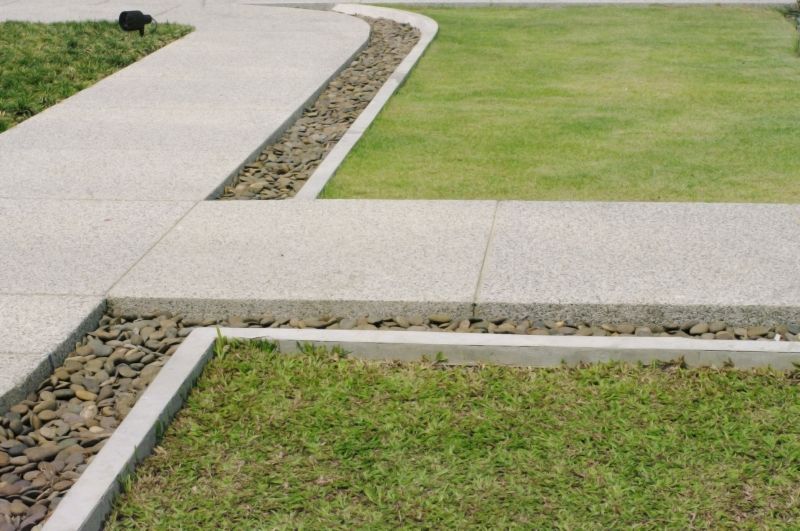
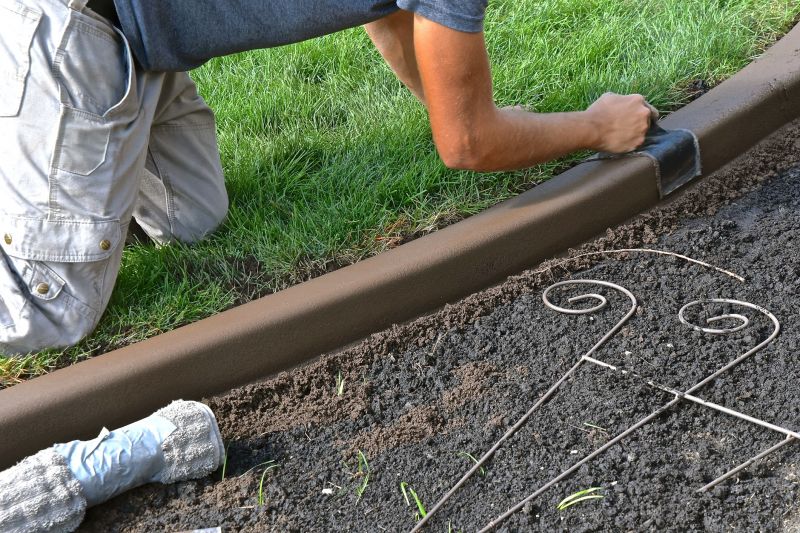
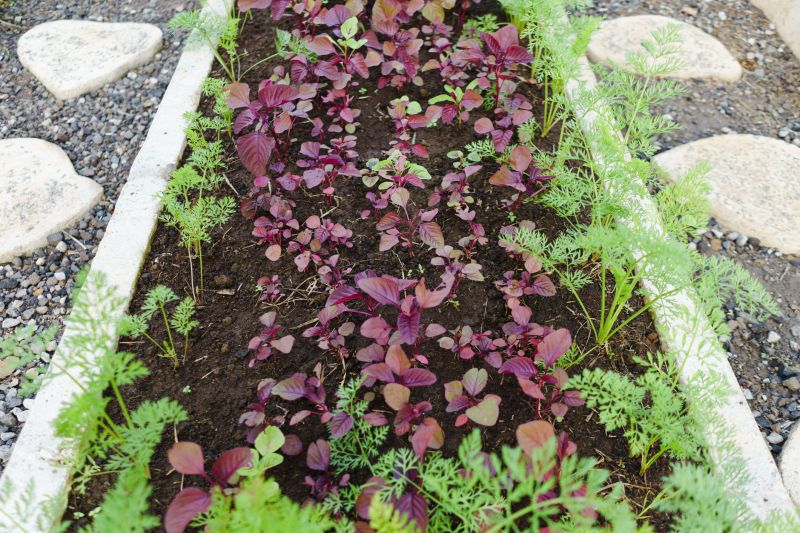
Concrete edging installation involves placing durable, defined borders around garden beds, lawns, pathways, or driveways to create a clean and organized outdoor appearance. Skilled service providers prepare the area by excavating and leveling the ground, then pour and shape the concrete to form a sturdy edge that can withstand foot traffic, weather, and soil shifts. This process often includes finishing techniques to ensure a smooth, attractive surface that enhances the overall look of landscaping features and property boundaries. Proper installation helps ensure the concrete edge remains intact and maintains its appearance over time.
This service addresses several common landscaping challenges. It helps contain mulch, gravel, or soil within garden beds, preventing materials from spilling into lawns or walkways. Concrete edging also creates a clear separation between different landscape elements, reducing erosion and soil washout during heavy rains. Additionally, it can serve as a barrier to keep grass from encroaching into flower beds or paved areas, reducing maintenance efforts. For property owners seeking a low-maintenance, long-lasting solution to define outdoor spaces, concrete edging provides a practical and visually appealing option.
Properties that typically feature concrete edging include residential homes with landscaped front and back yards, commercial properties aiming for a tidy appearance, and community spaces such as parks or recreational areas. Homes with flower beds, vegetable gardens, or decorative landscaping often use concrete borders to keep mulch and soil contained. Larger properties or those with uneven terrain may benefit from concrete edging to create level, stable boundaries that improve safety and accessibility. Overall, this service suits a wide range of property types looking to improve curb appeal and functional organization.
Homeowners who notice soil erosion, mulch spilling into walkways, or a lack of defined landscape boundaries might consider concrete edging installation. It is also a practical choice for those wanting a durable, long-lasting border that requires minimal upkeep. Whether updating an existing landscape or designing a new outdoor space, concrete edging can help create a polished, organized look. Local contractors specializing in this service can assess the property’s needs, recommend appropriate styles, and handle the installation to ensure a seamless, professional finish.
The overview below groups typical Concrete Edging Installation projects into broad ranges so you can see how smaller, mid-sized, and larger jobs often compare in your area.
In many markets, a large share of routine jobs stays in the lower and middle ranges, while only a smaller percentage of projects moves into the highest bands when the work is more complex or site conditions are harder than average.
Smaller Repairs - For routine repairs or minor edging projects, local contractors typically charge between $250 and $600. Many jobs in this range involve replacing or fixing existing concrete edges with straightforward scope. Costs can vary based on the size and complexity of the repair.
Standard Installation - Installing new concrete edging for a typical yard or garden area generally falls within the $1,000 to $2,500 range. Most projects of this size are completed efficiently by local pros and tend to stay within this middle tier. Larger or more intricate designs may increase the cost.
Large or Custom Projects - Larger, more complex concrete edging installations can range from $3,000 to $5,000 or more. These projects often involve custom shapes, decorative finishes, or extensive landscaping work, which can push costs higher. Many such projects are less common but available from experienced service providers.
Full Replacement or Extensive Work - Replacing existing concrete edging across a large property or undertaking extensive landscaping can reach $5,000+ in costs. These projects are typically at the higher end of the spectrum and involve significant labor and material expenses. Fewer projects fall into this highest tier, but local contractors can handle these jobs when needed.
Actual totals will depend on details like access to the work area, the scope of the project, and the materials selected, so use these as general starting points rather than exact figures.
Paver installation projects - local contractors skilled in laying concrete or stone pavers often have experience with creating durable and visually appealing borders similar to concrete edging.
Garden bed edging services - professionals who install garden borders and landscape edging use comparable planning, tools, and techniques as those for concrete edging installation.
Driveway apron construction - local service providers experienced in driveway and walkway transitions often handle concrete work that requires precise planning and finishing similar to edging projects.
Retaining wall projects - contractors working on small retaining walls utilize similar concrete forms, reinforcement, and finishing skills as those needed for edging installation.
Patio and walkway concrete pouring - providers who pour and finish concrete for patios and walkways share techniques used in creating clean, defined edges around paved surfaces.
Landscape curbing services - specialists installing decorative concrete or stone landscape borders use comparable planning, mixing, and finishing skills as in concrete edging projects.
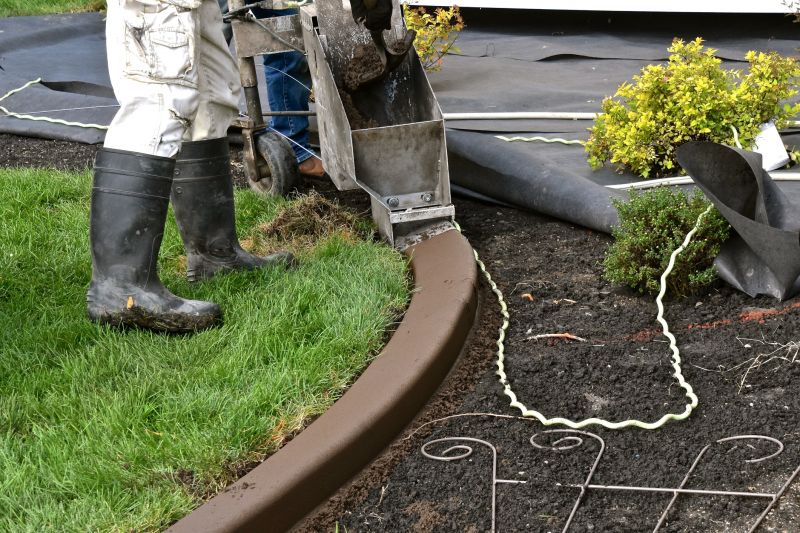
When evaluating potential contractors for concrete edging installation, it is important to consider their experience with similar projects. A contractor who has handled a variety of concrete edging jobs can demonstrate familiarity with different styles, materials, and site conditions. This experience often translates into a smoother process and a more predictable outcome, as they are likely to have encountered and resolved common challenges along the way. Asking about past projects or reviewing portfolios can provide insight into their expertise and help determine if their background aligns with the specific needs of the project.
Clear, written expectations are essential when comparing local contractors for concrete edging services. A reputable service provider should be able to outline their scope of work, materials used, and approximate process in a detailed, understandable manner. This clarity helps prevent misunderstandings and ensures that both parties are aligned on what will be delivered. When discussing a project, it’s beneficial to request a written estimate or proposal that specifies the work involved, so homeowners can easily compare offerings and make informed decisions based on the scope and approach proposed.
Reputable references and effective communication are key indicators of a dependable contractor. Service providers who can offer references from previous clients or showcase testimonials tend to be more trustworthy. Good communication throughout the process - including prompt responses to questions and transparent updates - helps build confidence and ensures that expectations are managed properly. While the site introduces homeowners to local options for concrete edging installation, it’s important to remember that selecting a qualified, communicative, and experienced contractor is a crucial step in achieving a successful project outcome.
Property owners use Concrete Edging Installation services for practical projects around their homes and businesses. This guide focuses on everyday jobs and straightforward project options.
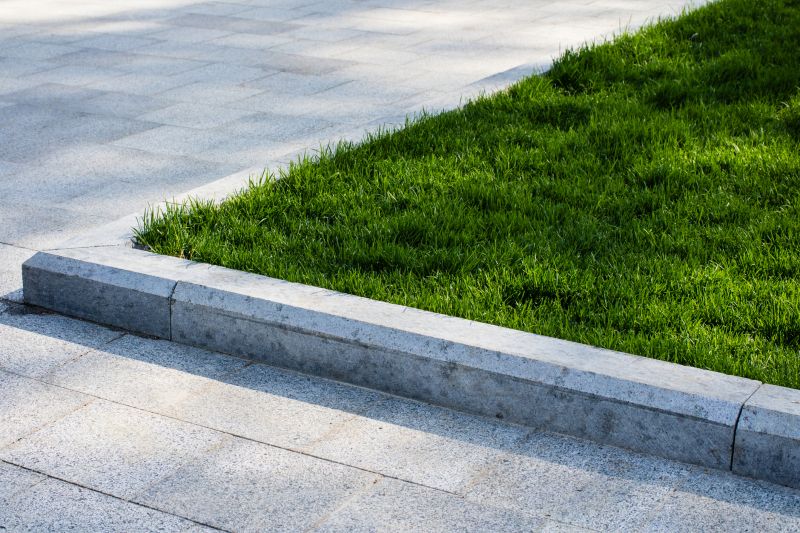
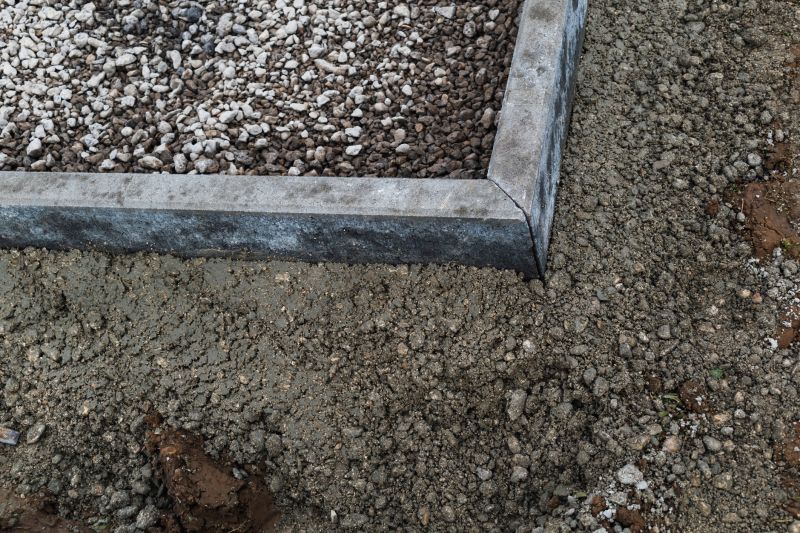
Concrete edging installation is a common upgrade for property owners looking to define garden beds, walkways, or lawn boundaries. Homeowners often seek these services when they want to improve curb appeal or create a clean, polished look around their outdoor spaces. Local contractors can handle projects ranging from small garden borders to larger landscape edging, helping property owners achieve a neat and organized appearance with durable, long-lasting materials.
Many property owners turn to local service providers for concrete edging when they want to prevent soil erosion, keep mulch or gravel in place, or simply add a decorative element to their yard. Whether updating an existing landscape or starting fresh, these professionals can assist with installing precise and attractive edging solutions that enhance the overall look and functionality of outdoor areas.
What is concrete edging installation? Concrete edging installation involves creating durable borders around landscaping features, such as gardens, walkways, or lawns, using concrete materials.
What are the benefits of concrete edging? Concrete edging provides a long-lasting, low-maintenance border that helps define landscape areas and prevents soil or mulch from spreading into unwanted areas.
How do local contractors install concrete edging? Local service providers typically prepare the area, set forms, pour and level the concrete, then allow it to cure to create a smooth, sturdy edge.
Can concrete edging be customized to match existing landscaping? Yes, contractors can customize concrete edging with different finishes, colors, and textures to complement existing landscape designs.
What types of concrete edging options are available? Common options include standard poured concrete borders, stamped or textured finishes, and decorative designs to enhance curb appeal.
Garden Bed Edging - Define flower beds and vegetable patches with durable concrete edging to keep soil and mulch contained.
Pathway Borders - Create clean, defined borders along walkways and garden paths for a polished outdoor look.
Lawn and Yard Edging - Separate lawn areas from flower beds or patios to prevent grass from spreading into garden spaces.
Driveway Edging - Enhance the appearance of driveways while providing a sturdy barrier that keeps gravel and debris in place.
If you are thinking about Concrete Edging Installation for a property, this guide is meant to help you understand the work, the typical project types, and how different options might fit your plans.
When you are ready, you can use the quote form on this page to share a few details about your project. From there, local pros can review the basics and respond with options that match what you have in mind.